

5″ STRAINER (SMALL)
Original price was: $50.00.$45.00Current price is: $45.00.
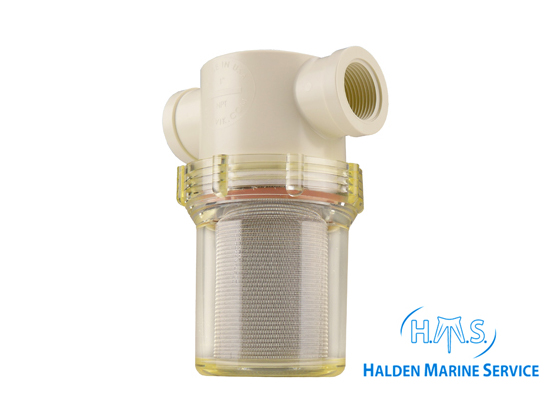
Spectra 5″ Sea Strainer is used to filter out large sediment from the inlet sea water. It is vital to have this filter before the low pressure feed pump in your watermaker system. Large particulates such as seaweed can be drawn into your watermaker and cause premature failure of the feed pump.
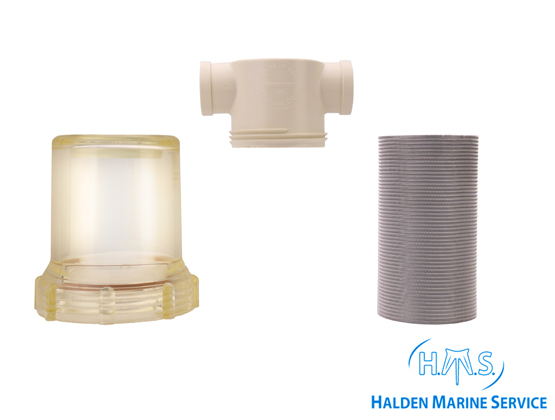
The strainer itself is made of 316 Stainless Steel mesh and is the only screen that should be used in your watermaker. Lower quality screens can rust and damage your watermaker.
Both the bowl and strainer top are made of lightweight plastic that does not easily corrode.
- Light Weight Design
- 316 Stainless Steel Strainer
- Great for Removing Large Sediment
If you have any questions on what you might need or don’t see something on the website send us an e-mail or call and we will help assist you!
This is the whole 5″ Raw Water Strainer, Includes screen and O-Ring inside as well.
Spectra Watermaker Raw Water Strainer FAQs
Common Questions About Raw Water Strainer Maintenance, Installation & Troubleshooting
The raw water strainer is one of the most important protective components on a Spectra watermaker. Its job is to prevent debris, marine growth, shell fragments, sand, and other contaminants from entering the boost pump and high-pressure system. A clean, properly installed raw water strainer helps maximize water flow, extend the life of your boost pump, reduce maintenance, and improve overall watermaker reliability.
Below are answers to the most frequently asked questions about Spectra watermaker raw water strainers.
What Does the Raw Water Strainer Do on a Spectra Watermaker?
The raw water strainer is the first line of defense for your Spectra watermaker. Its primary job is to filter debris from the incoming seawater before it reaches the boost pump.
Without a properly functioning raw water strainer, debris such as sea grass, shell fragments, sand, or marine growth can enter the boost pump and cause premature wear or complete pump failure.
Many newer Spectra watermakers use two raw water strainers. The primary strainer protects the boost pump, while the secondary strainer helps prevent debris from clogging the check valve located on the boost pump module.
Keeping both strainers clean helps maintain proper water flow and protects critical system components.
Why Is a Raw Water Strainer Important?
A raw water strainer protects some of the most expensive components of your Spectra watermaker.
By filtering debris before it reaches the boost pump and pre-filters, the raw water strainer helps:
- Protect the boost pump from damage
- Prevent check valve blockages
- Reduce premature pre-filter clogging
- Improve water flow to the feed pump
- Increase overall system reliability
- Reduce maintenance costs
A clean raw water strainer is one of the easiest ways to prevent unnecessary watermaker problems.
Where Is the Raw Water Strainer Located on a Spectra Watermaker?
There is no single mounting location that applies to every Spectra installation.
The raw water strainer should always be installed:
- After the seawater intake through-hull
- Before the boost pump (or boost pumps)
- Below the vessel’s waterline whenever possible
The exact location depends on the boat’s layout and available installation space.
Proper placement allows the boost pump to receive a constant supply of filtered seawater while minimizing the risk of air entering the system.
Does Every Spectra Watermaker Have a Raw Water Strainer?
Yes.
Every Spectra watermaker should have at least one raw water strainer installed between the intake through-hull and the boost pump.
Many newer systems benefit from using two raw water strainers.
If your boost pump module contains a check valve, installing a second raw water strainer before the check valve is highly recommended. This additional level of filtration helps prevent debris from restricting the check valve and improves long-term system reliability.
What Happens If I Don’t Use a Raw Water Strainer?
Operating a Spectra watermaker without a raw water strainer can cause serious damage.
Without filtration, debris can enter the boost pump, causing excessive wear or complete failure.
It can also:
- Plug the boost pump check valve
- Shorten boost pump life
- Cause pre-filters to clog much faster
- Reduce water flow
- Increase maintenance costs
- Lead to unexpected system shutdowns
Any boat system that draws seawater—including watermakers—should always have a properly maintained raw water strainer.
Can I Run My Spectra Watermaker Without a Raw Water Strainer?
No.
A Spectra watermaker should never be operated without a raw water strainer.
The strainer is designed to protect the boost pump and the rest of the watermaker from debris that naturally exists in seawater.
Even clean-looking water can contain sand, shell fragments, marine growth, or floating debris capable of damaging critical components.
Operating without a raw water strainer significantly increases the risk of boost pump failure, clogged pre-filters, reduced water production, and costly repairs.
For reliable operation and maximum component life, always ensure your raw water strainer is installed, clean, and inspected regularly.
What Debris Does the Raw Water Strainer Remove?
The raw water strainer is designed to remove larger debris before seawater reaches the boost pump and pre-filters.
Common debris caught by the raw water strainer includes:
- Seaweed and seagrass
- Plastic bags and plastic fragments
- Small pieces of rope or fishing line
- Leaves and floating vegetation
- Shell fragments
- Jellyfish and other marine organisms
- Larger marine debris that could restrict water flow
By trapping these larger contaminants, the raw water strainer helps protect the boost pump, check valve, and downstream filtration system from damage and blockages.
Keep in mind that the raw water strainer is not designed to remove fine sediment or microscopic particles. Those are captured later by the Spectra watermaker’s 20-micron and 5-micron pre-filters before the water reaches the feed pump and membrane.
For maximum system reliability, inspect and clean the raw water strainer regularly, especially after operating in areas with heavy seaweed, floating debris, or poor water conditions.


Reviews
There are no reviews yet.